Learn how an Equity Sharing Agreement can help provide cash for retirement without the burden of new monthly mortgage payments or high interest.
A reverse mortgage is a convenient way to use your home equity as a cash source during retirement, but there are some downsides to a reverse mortgage.
Renovations surged during the peak of COVID, when we were all stuck at home. Then high rates introduced a bit of a slump. Now? They're on the rise again. Plus, city and state governments are removing restrictions to building ADUs.
According to the Federal Reserve, 82% of adults in the United States had at least one credit card in 2022. But, credit card debt is almost as pervasive as its use. Read our report on the state of credit card debt in the U.S.
Recently decide to renovate your home, but not sure how to pay for the home improvements? From traditional methods like using cash or credit cards to more unconventional options like tapping into equity, here are eight ways to finance home improvements.
Tapping into your home equity is a great way to access funds for immediate financial needs. While selling your home is one way to achieve this goal, there are many other solutions that allow you to take equity out of your home without having to move.
Homeowners preparing for retirement could be sitting on a sizable, untapped financial asset—your home equity. If you've been paying off your mortgage for a while, chances are you could be using that home equity for your retirement income.
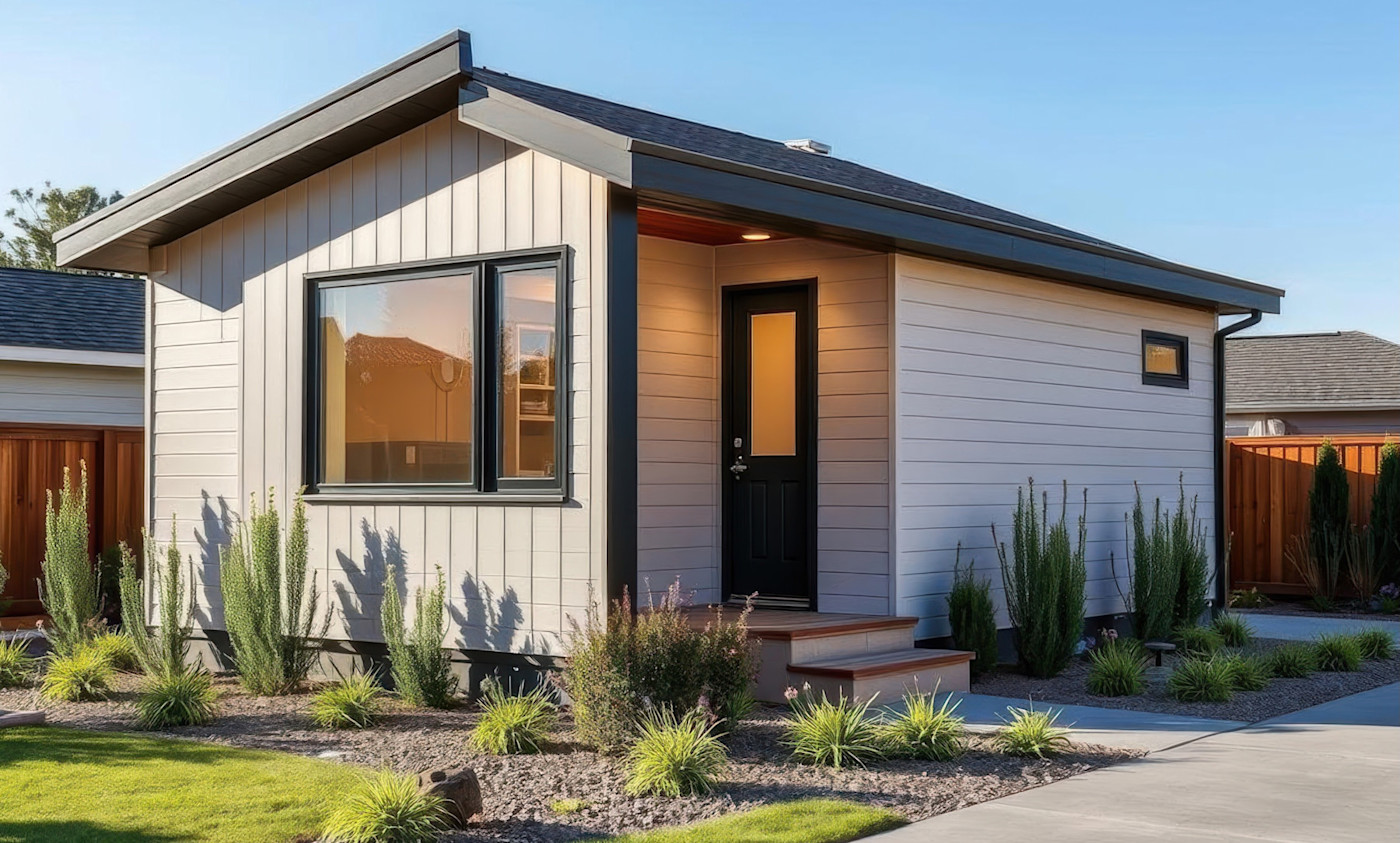
Technically, the “Accessory Dwelling Unit” (ADU) has been around since the 1980s, though the concept itself is much older. If the phrase doesn’t ring a bell, you might know it better as “granny house” or “backyard cottage.”
It’s a universal truth that the vast majority of homeowners are sitting on an enormous amount of equity. That equity is most often trapped in their homes, where it can’t be used to help them with their pressing needs.
We’ve long considered ourselves privileged to empower homeowners to achieve financial freedom and wellbeing by helping them tap into their home equity.
When we see natural disasters on the news, we see numbers–property damages, loss of life, displaced peoples. What are the long-term effects on home values and demographics, though?
For years you’ve heard that real estate is one of the best investments you can make. It’s considered something of a safe bet; unlike the literal dollar, real estate doesn’t lose value to inflation over time.